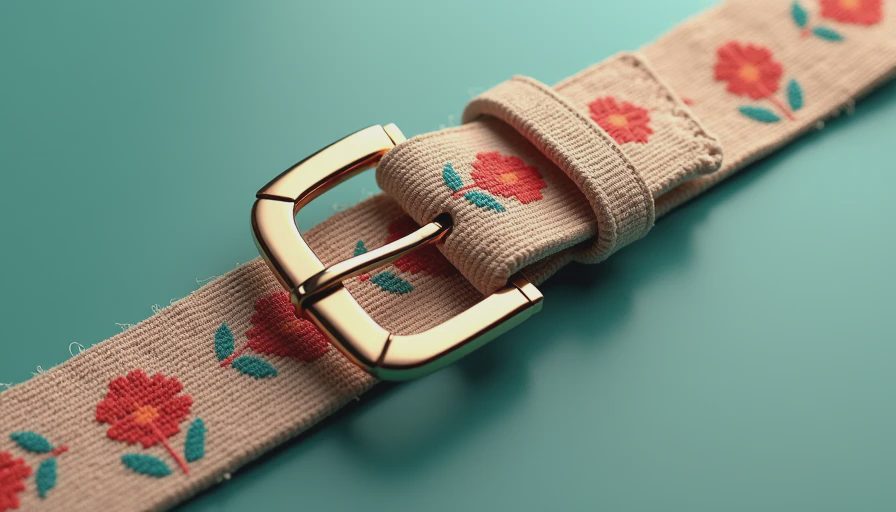
I found my first vintage needlepoint belt at a Brooklyn thrift store last spring. It was a dusty rose number with little cream-colored sailboats, and I almost left it on the rack because, honestly, who wears needlepoint belts in 2024? But something about the texture — the tight, almost embroidered weave, the way the brass buckle caught the fluorescent light — pulled me in. I bought it for eight dollars, and it has since become one of my most-complimented accessories. That’s the thing about vintage needlepoint belts styling: it feels both timeless and totally now, especially as the preppy revival softens and stretches into something more personal.
Why Needlepoint Belts Are Making a Comeback
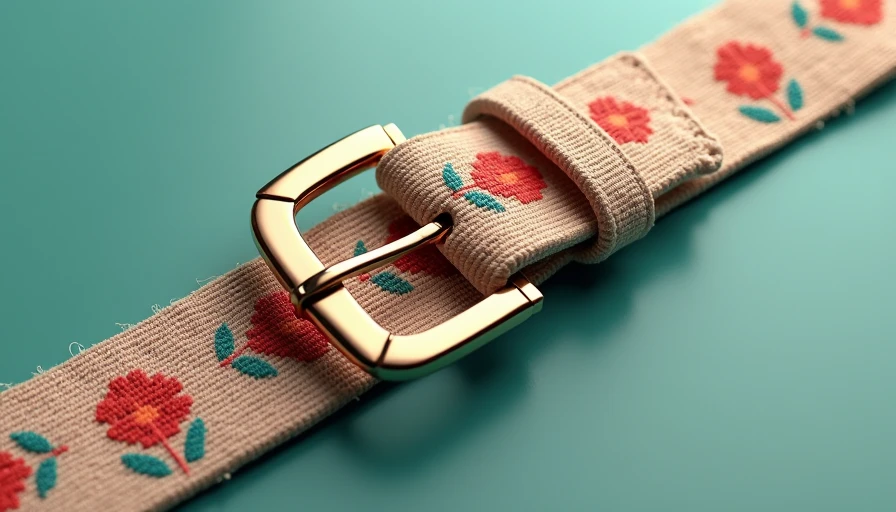
The resurgence of preppy dressing — Preppy Revival 3.0, as I like to call it — is less about strict rules and more about borrowing the warm, textured parts of campus style and making them your own. Needlepoint belts fit perfectly into that ethos. They’re handmade, durable, and often one-of-a-kind, which makes them the antithesis of fast-fashion logos. I’ve spotted them on TikTok outfit diaries, layered over rugby shirts and loose trousers, or cinching a trench coat in place of a stiff leather belt. The key to vintage needlepoint belts styling is contrast: pair a belt covered in little foxes or argyle motifs with something plain and relaxed. It’s the tension between polish and ease that makes the look work.
How to Style a Vintage Needlepoint Belt
Let’s get into the practical stuff. Here are three outfits I keep returning to, plus a few notes on what makes each one click.
**1. With a rugby shirt and wide-leg jeans.** This is the easiest entry point. Grab a vintage rugby (striped collar, slightly boxy fit), tuck it loosely into high-waisted jeans, and let the needlepoint belt sit at your natural waist. The belt adds a handmade, artsy detail to an otherwise simple outfit. I like belts with muted colors — navy, burgundy, forest green — so they don’t fight with the stripes.
**2. Over a cardigan or sweater.** In cooler months, let the belt sit on top of a chunky cardigan or a crewneck sweater. It creates a defined waist without having to tuck anything in. I wear a cream Aran sweater with a navy needlepoint belt that has tiny gold anchors, and it somehow makes the whole thing feel more intentional. That’s the magic of vintage needlepoint belts styling: one small piece can turn a cozy outfit into a complete statement.
**3. As a cinch on a blazer or coat.** This one feels a little more dressed up. Take a slightly oversized blazer (I have a gray tweed from the 90s that meets nothing at the shoulder) and wrap a needlepoint belt around the outside. It works best with wider belts — two to three inches — and keeps the preppy vibe from tipping into costume. I’ve done it for teaching days and gotten genuine compliments from students who asked, “Is that, like, a needlepoint belt?” It’s not that deep. But also kind of.
Where to Find Them and What to Look For
Vintage needlepoint belts are not hard to find if you know where to look. Thrift stores in older neighborhoods, estate sales, and Etsy are your best bets. Look for belts that still have good structure — the needlepoint fabric should be tight and not frayed, and the leather backing (if it has one) should be intact. Brass buckles age beautifully, but I’d avoid anything with glued-on ornaments that might fall off. Prices range from $5 at a garage sale to $40 for a pristine Ralph Lauren one from the 80s. The hunt is part of the fun.
When you find one, think about what colors and patterns you’ll actually wear. I tend to go for belts with a neutral background (cream, navy, olive) and a small repeating pattern — sailboats, dogs, flowers, geometric shapes. The more specific, the better. I have one with little teal parrots that I only wear with a white linen dress, but it makes that dress feel like a whole personality. That’s the joy of vintage needlepoint belts styling: it’s personal, it’s narrative, and it’s barely cost you anything.
A Quick Checklist for Buying Vintage Needlepoint Belts
Before you add another belt to your cart, run through this checklist to make sure it’s a solid keeper.
**Condition check:** Hold the belt up to the light. Are there any loose threads, frayed edges, or stains? Minor wear is fine, but the needlepoint itself should be tight. If the backing is leather, check for cracks. If it’s fabric, look for peeling or stiffness. The buckle should close smoothly — a stuck prong is a headache you don’t need.
**Size matters:** Vintage belts often run shorter than modern ones. Measure your waist and compare to the belt length (including the buckle). A good rule: the belt should fit on the middle hole, leaving an inch or two of tail. If it’s too long, you can punch new holes, but too short is a dealbreaker.
**Pattern versatility:** Think about five outfits you already own. Does the belt work with at least three? A neutral background with a small motif is safest, but if you love color, go for it. The best vintage needlepoint belts styling happens when the pattern feels like a secret surprise — visible up close, but not shouting from across the room.
**Price sanity:** Don’t overpay. Most vintage needlepoint belts are under $30 unless they’re designer or have intricate hand-stitching. If you spot a rare brand like Polo Ralph Lauren or an equestrian label, $40-60 is reasonable. Anything above $100 should come with documented provenance.
**Smell test:** Seriously — sniff the belt. Thrift stores can hide mustiness or mothball odors. A quick airing often helps, but persistent smells may require professional cleaning. Skip it if it smells like mildew.
Final Thoughts
I’m not saying a belt will change your life. But I am saying that a vintage needlepoint belt, worn the right way, can make you feel like you’re in on a quiet, beautiful secret. It’s a nod to classic American style without the stiffness, and it’s proof that the best accessories are the ones with a little history. So next time you’re browsing a thrift store or scrolling secondhand sites, give the needlepoint section a second look. You might just find your new favorite thing.



Letters
No letters yet — be the first to write.