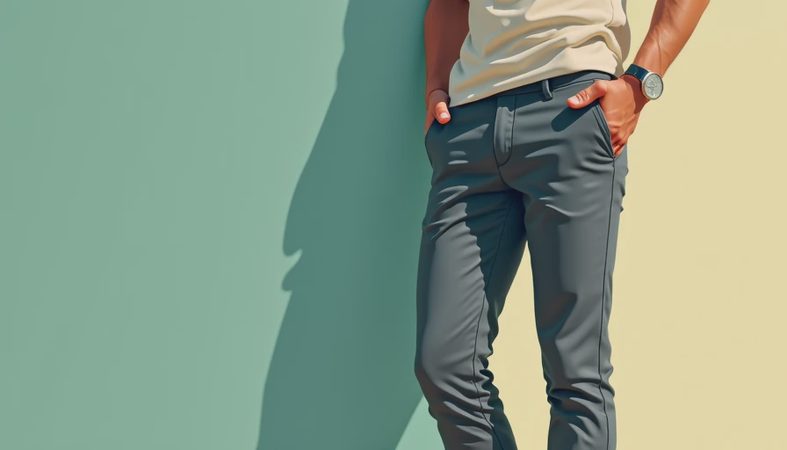
I’ve been thinking a lot about the small styling choices that separate a good outfit from a great one. And one of the quietest, most underrated moves? Knowing how to roll sleeves. It sounds simple—and it kind of is—but the difference between a haphazard shove and a deliberate roll is night and day. A well-rolled sleeve changes the whole mood of a piece: it reads as intentional, confident, and just a little bit undone. In preppy style, where polish meets ease, getting this right matters.
There’s no single correct way to do it. Different fabrics, different shirt types, different vibes all call for different techniques. So I’m breaking down the three sleeve rolls I actually use, from the most classic to the most relaxed. Consider this your sleeve-rolling field guide.
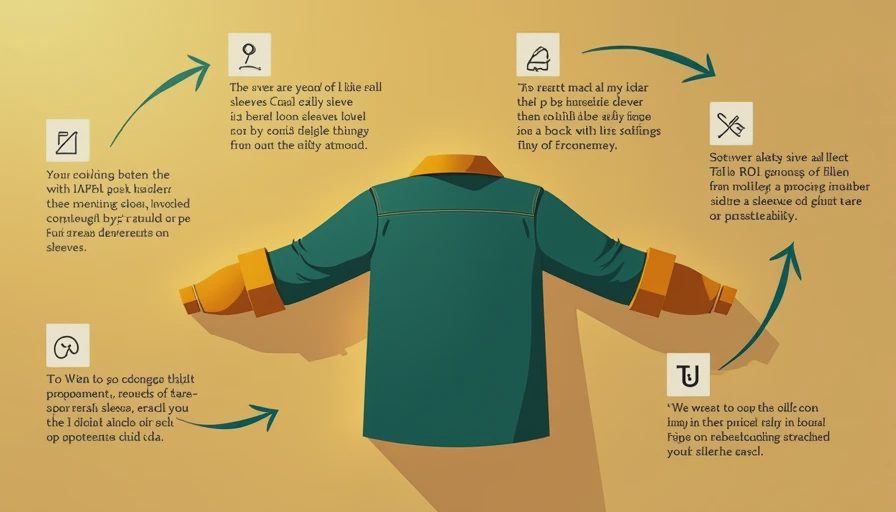
The Basic Roll: Your Everyday Uniform
This is the roll you’ll use the most. It works on almost any button-down shirt—oxford cloth, poplin, chambray—and it’s the one that looks clean without feeling stiff. Start with the cuff button fastened. Fold the sleeve up once, about an inch above the elbow, making sure the fold is straight and even. Then take that folded edge and roll it up again, so the cuff sits just below your elbow. The key is keeping the roll snug but not tight; you want a little movement, not a tourniquet.
This basic version is what I reach for on library days or coffee runs when I want to look put together but not like I’m heading to a board meeting. It’s also the roll that works best with a blazer or sweater over it—just push the outer layer up slightly to show the rolled cuff. Coco approves, which is really all the endorsement you need.
The Master Roll: For Button-Down Shirts That Deserve Better
Sometimes you need a roll that looks almost architectural. This is the one for date nights, presentations, or any time you want the gesture to feel deliberate. Start with the cuff unbuttoned. Flip the cuff back over the sleeve, so the inside of the fabric faces out. Then roll the sleeve up from the bottom, catching the flipped cuff in the roll, so the finished edge is a clean band of fabric. Aim for the roll to sit just above the elbow. The result is a crisp, tailored cuff that looks like it was designed that way.
I love this roll on a crisp white oxford worn with looser trousers or dark denim. It’s the kind of detail that says “I thought about this.” And it’s surprisingly easy once you’ve done it twice. Pair it with a slightly textured fabric—like a pinpoint oxford or a linen-cotton blend—and the structure really shines.

The Casual Roll: For Knits and Sweaters
Not every sleeve roll lives on a button-down. My favorite roll for a lightweight crewneck or a cashmere sweater is much softer. You’re not really rolling so much as pushing and folding. Take the hem of the sleeve and push it up toward your elbow, creating a few gentle, uneven folds. Let the fabric bunch naturally—this is supposed to look effortless. The goal is a soft cuff about two inches wide that sits at or just below the elbow.
This roll works best with thinner knits (cotton, merino, cashmere) and looks especially good with a watch or a bracelet peeking out. It’s the roll I use on a Saturday afternoon when I’m in an archive sweater and jeans. It signals cozy but not sloppy. And it’s practically foolproof—even if it’s a little uneven, it still reads as intentional.
When to Skip the Roll
As much as I love a good sleeve roll, not every shirt wants one. Thick flannel or heavy workwear denim can look bulky and awkward when rolled too tight. Stiff new dress shirts sometimes resist a clean fold; they might need a few wears to soften up. And on a very formal event shirt (French cuffs, pleats, the whole nine), just leave the sleeves long. The roll is a casual move, and pretending otherwise will only make you look uncomfortable.
Common Sleeve Rolling Mistakes and How to Avoid Them
Even with the right technique, a few pitfalls can ruin the look. One common mistake is rolling too high—pushing the cuff above the elbow creates a bulky mess. Instead, keep the roll just below the elbow for a balanced silhouette. Another issue is uneven rolls, especially on shirts with tapered sleeves. To fix this, start with the shirt on your body; rolling while wearing it allows you to adjust tension. Also, avoid over-rolling: two folds are usually enough. More than that and the fabric bunches awkwardly. Lastly, watch out for wrinkles—if your shirt is already wrinkled, the roll will look sloppy. Give it a quick iron or steam before rolling. These small adjustments make the difference between a roll that looks accidental and one that looks intentional. For linen shirts, be extra gentle—the fabric creases easily, so a softer, looser roll is best. For crisp cotton, you can get away with a tighter roll, but always check the mirror to ensure the folds are even. And remember: the best sleeve roll is the one that you feel comfortable in. If it looks forced, it probably is. Practice each technique a few times, and soon it will become second nature.
That’s the whole point of knowing how to roll sleeves: it’s a tool, not a rule. Use it when you want to shift a shirt from boardroom to coffee shop, from polished to approachable. It’s not that deep. But also kind of.